Affordable Mountain Towns Still Exist. Homes Cost Less Than $300K in This Southern Paradise.
As housing costs soar in famous outdoor hubs, one under-the-radar city offers mountain access, vibrant culture, and homes for half the price.
As housing costs soar in famous outdoor hubs, one under-the-radar city offers mountain access, vibrant culture, and homes for half the price.
Bill Ott was a legendary canyon soloist driven by a passion for ancient rock art. When he disappeared deep in Mohawk Canyon, anthropologist Scott Thybony joined Search and Rescue to track his final steps. Fourteen years later, he revisits his field notes.
A massive avalanche on the 26,400-foot-tall Broad Peak has left ten climbers missing, including Nirmal “Nims” Purja.
Tersus Solutions partners with brands like Stio, The North Face, and Arc’teryx to clean, repair, and recirculate used gear—to keep it in play and out of landfills longer.
The latest aurora borealis forecast is calling for displays across much of Canada and parts of the northern U.S. states on Friday, July 31, through Sunday, Aug. 2.
Thanks to innovative features and sturdy construction, the Raide LF 5L Vest is becoming my new go-to for racing and long days on the trail.
As crowding and soaring costs strain popular adventure hubs, one town is using hotel taxes to rebuild trails, ease traffic, and win back local support.
Following a presidential proclamation that shrunk Bears Ears National Monument by 90 percent and dissolved its historic Inter-Tribal Commission, the federal government is removing signs and their Tribal seals from park boundaries.
It sounded like overkill—until I stood on it, leveled it on uneven ground, and used it as my office desk.
Gas is expensive. Ditch your car and ride one of these e-bikes to work or run errands.
I paddled down the Chicago River to see if this $5,500 e-kayak is worth the splurge. Here’s my take, along with several cheaper alternatives.
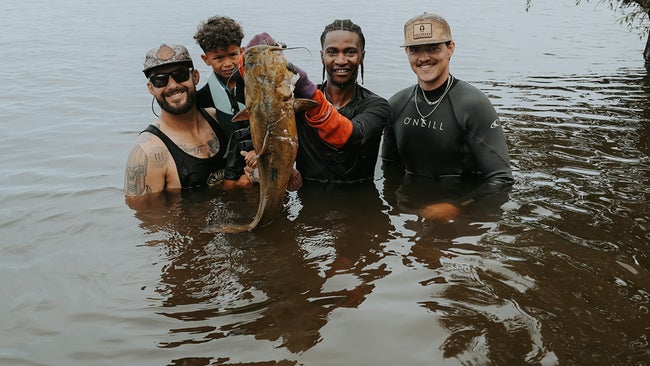
Once outlawed, hand-fishing for giant catfish in the Southeastern U.S. has never been more popular, thanks to viral videos on social media. We booked a tour with a noodling guide to see if the tug is really like a drug.
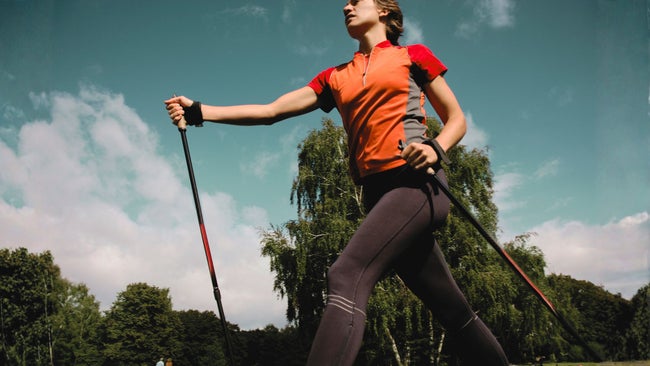
Experts explain the benefits of Nordic walking, which include better balance, less pain, and even less fatigue. Here's what to know.
A veteran television meteorologist shares her favorite under-the-radar U.S. towns where summer temperatures stay comfortably under 80 degrees—and are full of outdoor adventure.
Caro Claire Burke’s hit novel sends a tradwife influencer back to 1855. Real homesteading and outdoors-focused digital creators explain what the book gets right about the gap between curated online lives and real hard work.
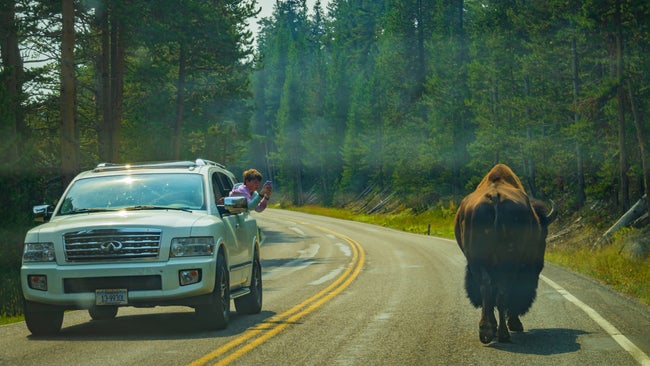
Did a man dressed in a homemade bison costume get arrested in Yellowstone National Park? Here's what park officials said.
The most influential digital designer you've never heard of found an anecdote to the noise on Japan's ancient walking routes
The Indian government has definitively identified the mountain's most famous dead body. Now comes the dangerous, expensive reality of hacking him out of the ice.
The Indian government is planning a high-risk extraction mission to the Tibetan side of Mount Everest in summer 2026 to finally bring home the remains of a world-famous dead body known simply as “Green Boots.” The plan involves an elite team of Sherpas to hack his body from a block of ice at 28,000 feet in an area known as the Death Zone—and then carry him home.
For nearly 30 years, climbers ascending the Northeast Ridge on Mount Everest shared a universal, chilling landmark. Deep within the hypoxic vacuum of the Death Zone, an area where oxygen is too low to sustain human life, there’s a route that passes a rock alcove. Curled up as if taking a brief nap lies the frozen body of a climber wearing bright green mountaineering boots. Over the years, this body has become the most famous of the 200-some corpses on Everest.
The body of Green Boots and others that fell to a similar fate are left on the side of the mountain because it’s both too dangerous and expensive to recover them, experts say.
“The reality of body recovery is that it’s all about money,” Everest guide Willie Benegas told Outside. The Argentinian-American mountaineer has summited the mountain 14 times, first in 1999 and most recently in 2025, and has also participated in rescues and body recovery operations.
“It costs a lot of money to bring someone down, and if the family doesn’t have the money, no one’s going to do it,” Benegas added.